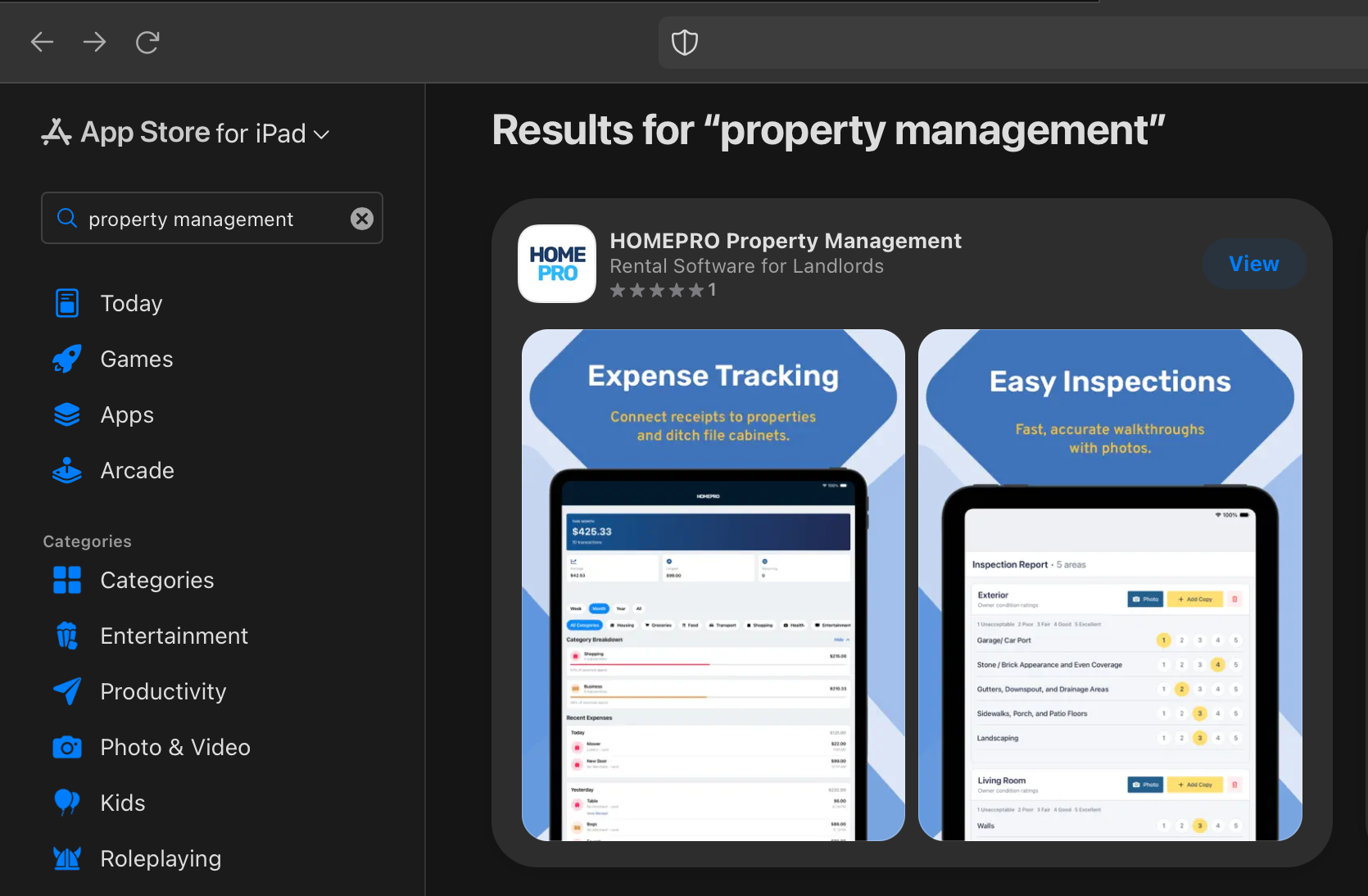
Landlord App Features: 12 Essential Tools Small Landlords Need
HOMEPRO is the #1 app for iOS property management for a reason. See for yourself. Small landlords do not need more clutter, more browser tabs, or more manual work. What they need is a system that helps them stay organized and make better decisions. That’s why the right landlord app matters. The best landlord app features do more than digitize a few tasks. Great apps like HOMEPRO connect data, create a practical workflows for collecting rent, tracking expenses, managing maintenance, storing documents, and keeping rental operations moving without relying on spreadsheets, scattered notes, and constant follow-ups.
If you are comparing software, the question is not simply whether an app exists. The better question is whether it offers the landlord app features that truly help small landlords manage properties efficiently every day.
In this guide, we break down the most important landlord app features, explain why each one matters, and show how they support a more professional and efficient rental business.
Why Landlord App Features Matter More Than Ever
Many landlords begin with a patchwork system. Rent is tracked in one place, expenses live in a spreadsheet, maintenance requests come through text messages, and inspection photos sit in a phone gallery with no clear label.
That setup may work for a while, but it becomes difficult to manage as responsibilities grow.
The best landlord app features solve real operational problems. They help landlords:
- reduce manual work
- keep cleaner and more accurate records
- improve visibility across properties
- create a better resident experience
- make faster and more informed decisions
The goal is not to have the longest list of tools. The goal is to have the right landlord app features working together in one place.
1. Online Rent Collection
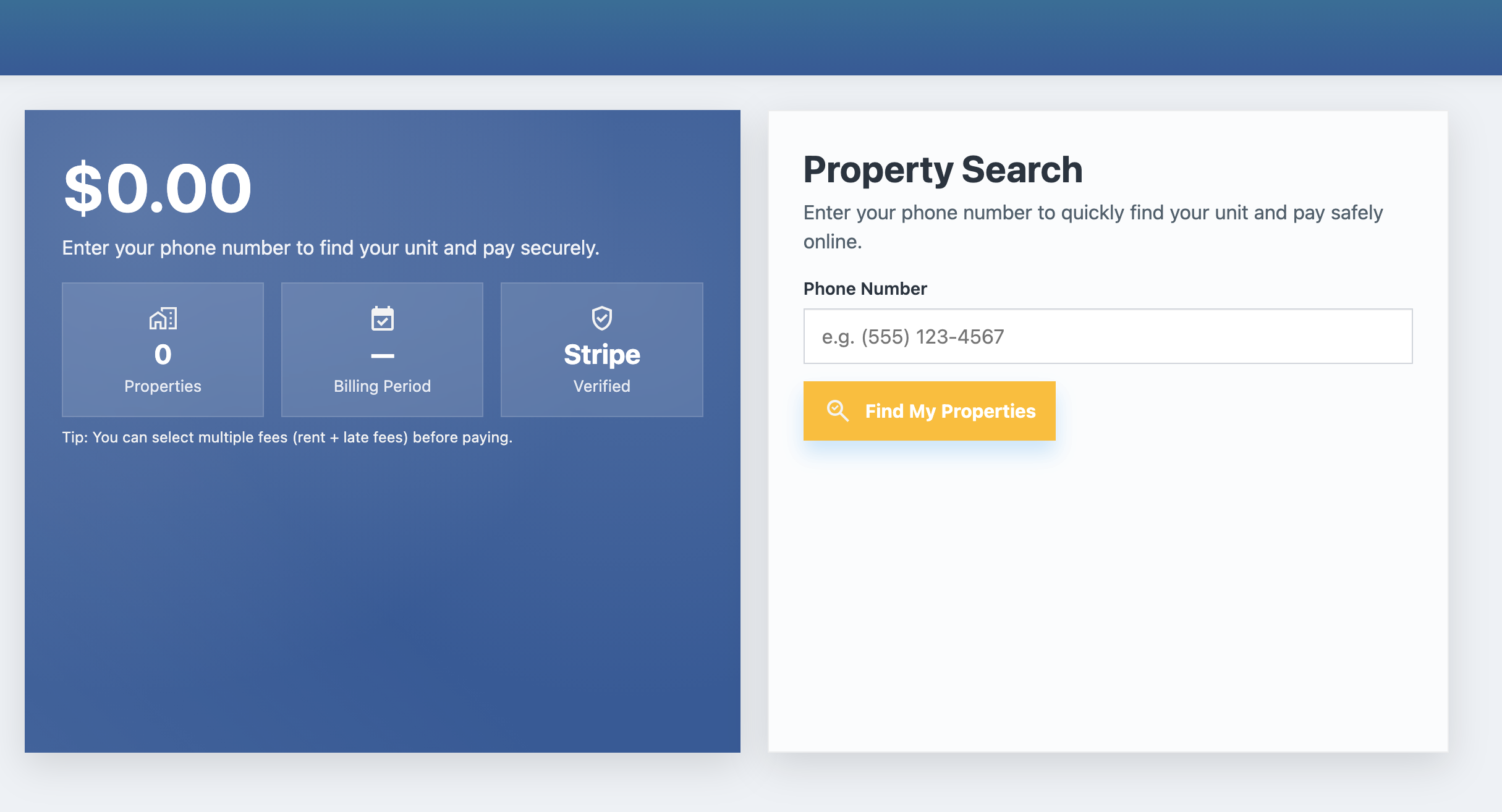
Online rent collection is often one of the first landlord app features landlords look for, and for good reason.
Rent is the center of the rental business. If the payment process feels messy, inconsistent, or slow, everything else becomes harder to manage.
Why it matters
Manual rent collection creates unnecessary friction. Landlords may spend too much time following up on late payments, sorting through payment confirmations, and keeping records updated by hand.
What to look for
Useful landlord app features for rent collection should include:
- a simple payment process
- clear payment tracking
- organized rent history
- an easy experience for both landlords and residents
Why it helps
When rent collection is streamlined, landlords spend less time chasing payments and more time focusing on property performance and tenant relations.
2. Expense Tracking by Property
A landlord app should not only show income. It should also make it easier to understand expenses.
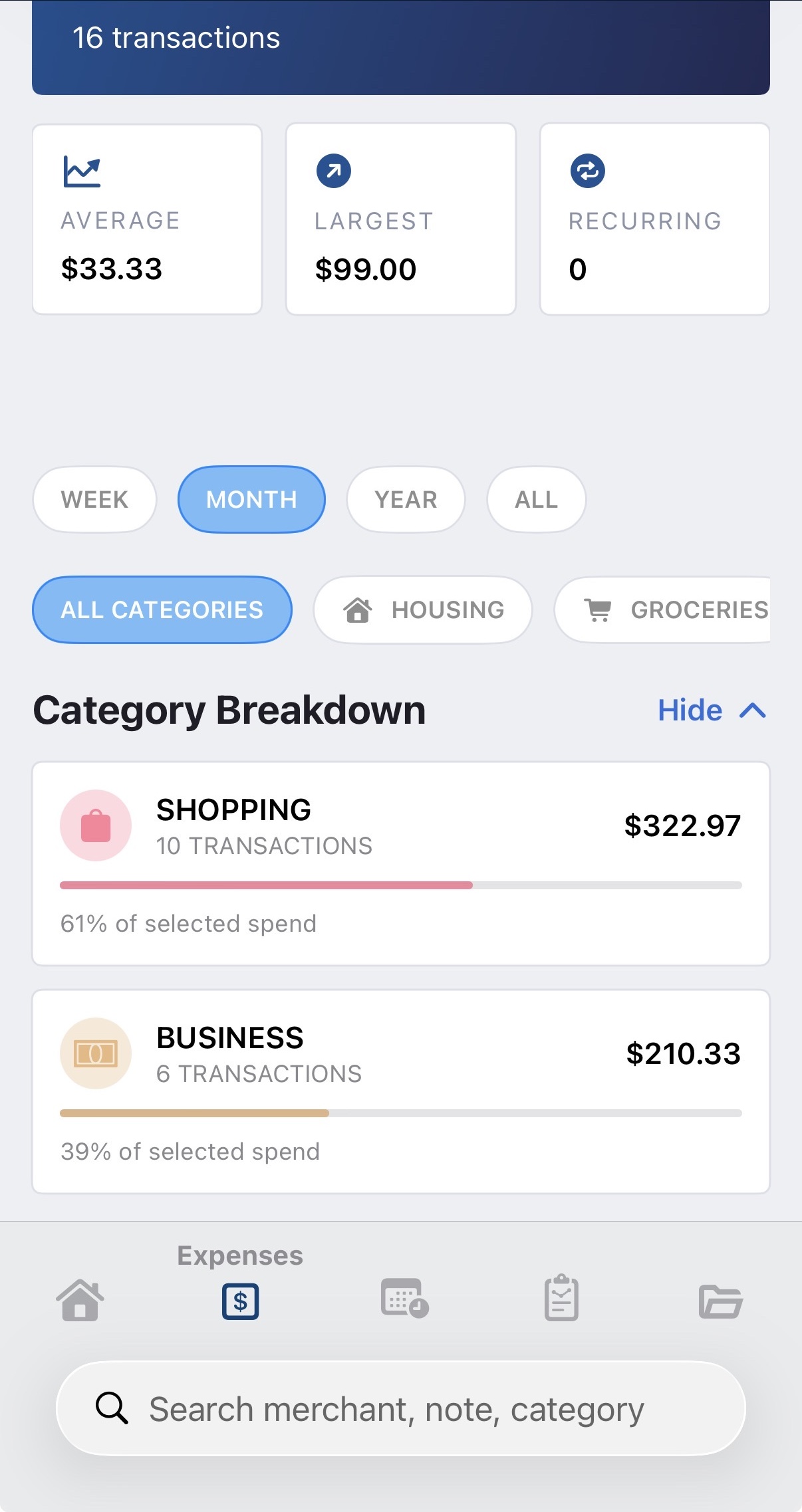
That is why expense tracking is one of the most valuable landlord app features for independent owners.
Why it matters
Without organized expense records, it becomes harder to understand how each property is performing. Repair costs, recurring bills, and vendor payments can quickly become difficult to sort through.
What to look for
Strong landlord app features for expense tracking should help landlords:
- log expenses quickly
- assign spending to the correct property
- review costs over time
- maintain cleaner records throughout the year
Why it helps
This feature gives landlords a clearer picture of profitability, supports smarter budgeting, and makes tax preparation far less stressful.
3. Receipt and Document Storage
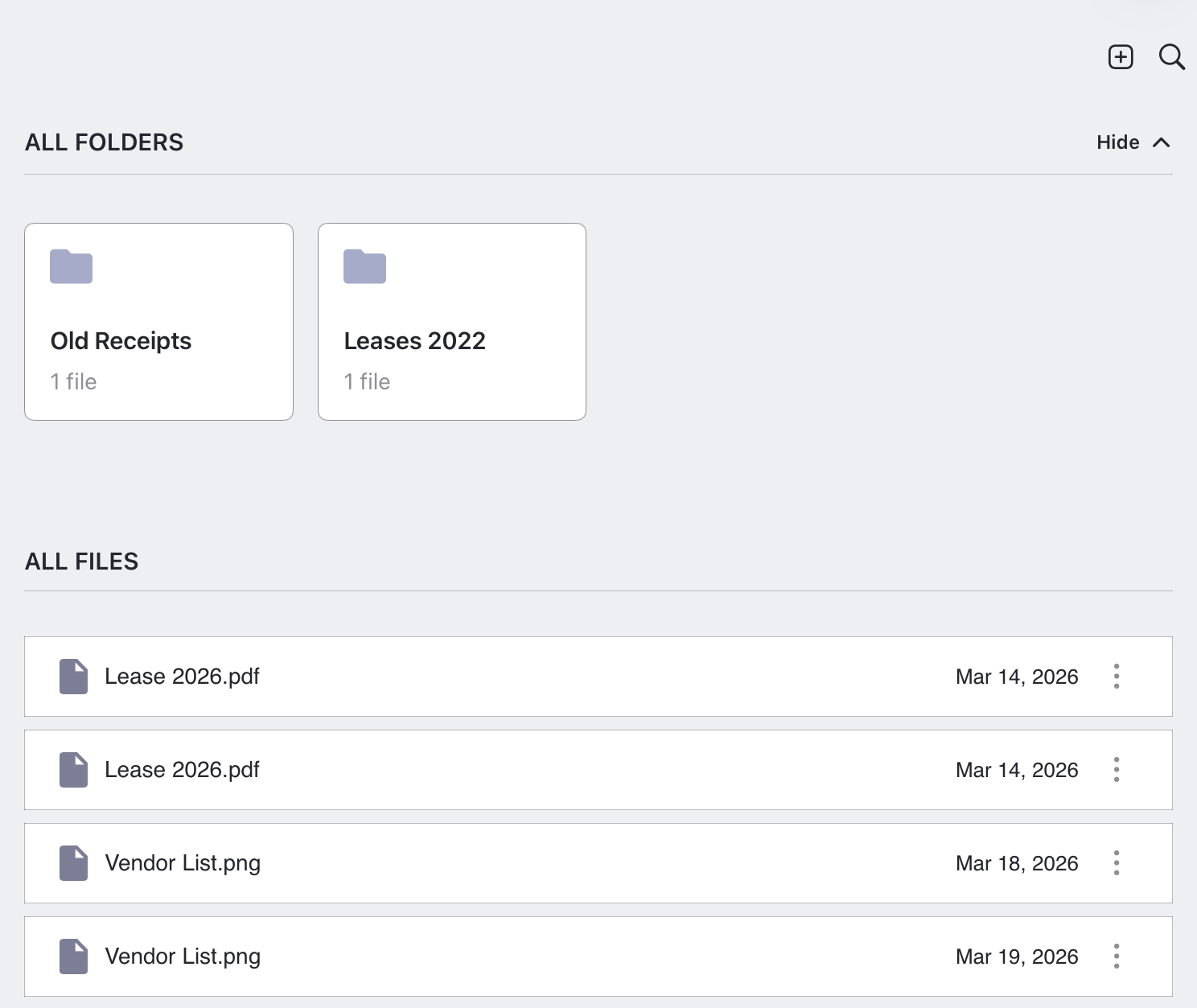
Rental businesses create a constant flow of paperwork. Leases, invoices, notices, receipts, inspection reports, and service records all need to be stored somewhere reliable.
That is why document management remains one of the most practical landlord app features.
Why it matters
As a rental business grows, organized records become more valuable. Good documentation can help with taxes, maintenance verification, disputes, renewals, and day-to-day business clarity.
What to look for
Helpful landlord app features for document storage should allow landlords to:
- upload important files
- organize records by property or unit
- keep paperwork accessible when needed
- reduce dependence on scattered folders and email threads
Why it helps
Instead of searching through inboxes or phone storage, landlords know exactly where to find a lease, receipt, or maintenance invoice.
4. Maintenance Request Tracking
Maintenance can quickly become disorganized when requests arrive through multiple channels.
One problem is reported by text. Another comes through a phone call. A third is mentioned casually during a conversation. Without structured landlord app features, it becomes easy for issues to be delayed or forgotten.
Why it matters
Maintenance is one of the most common pain points in rental management. A landlord app should make it easier to log problems, track updates, and connect repairs to the right property.
What to look for
Useful landlord app features for maintenance should include:
- request tracking
- status updates
- notes and repair history
- property-based organization
Why it helps
This creates a more reliable repair process, reduces confusion, and improves follow-through on one of the most frequent parts of the job.
5. Inspection and Walkthrough Records
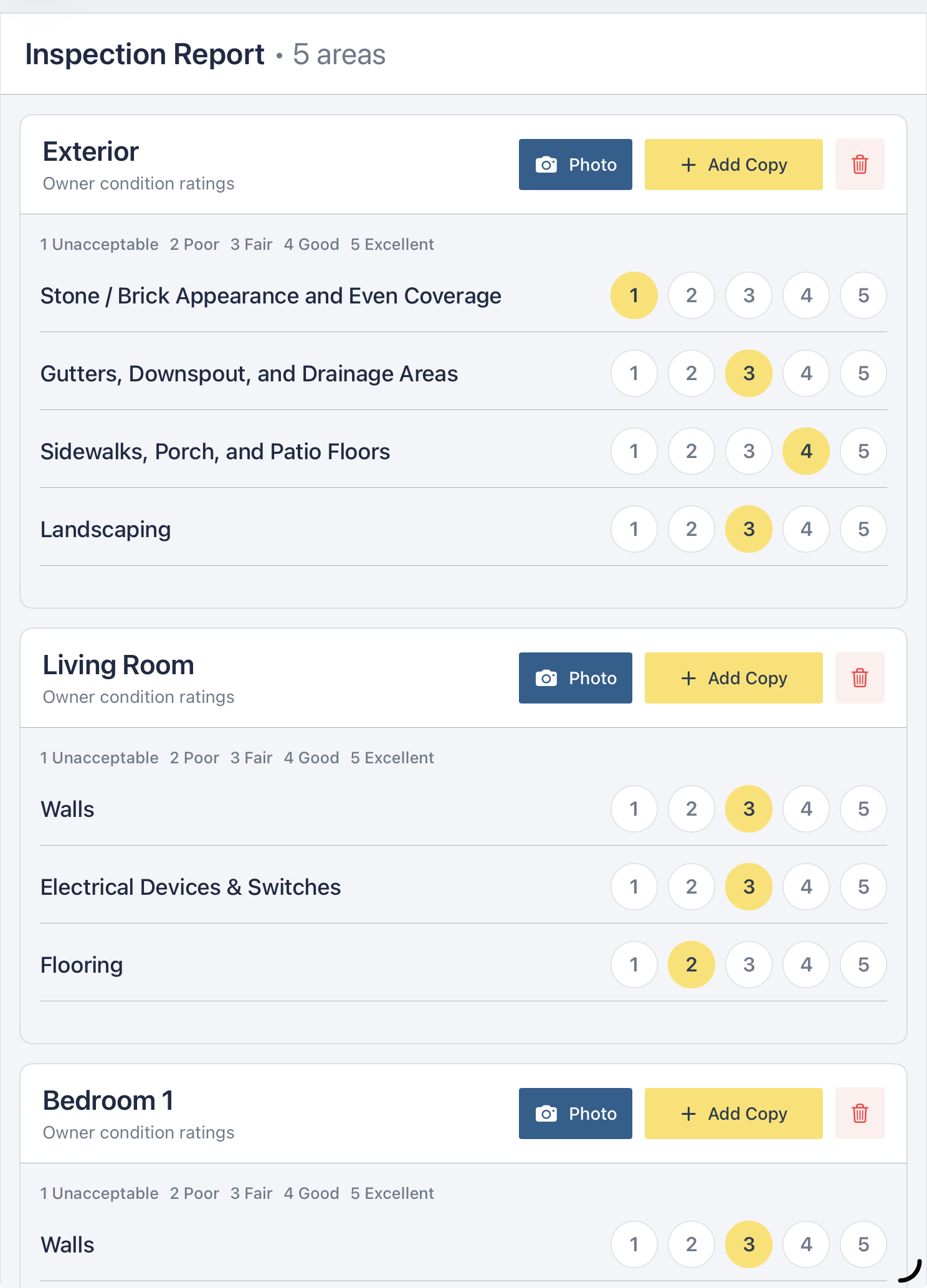
Inspections are not just routine checkboxes. They are a key part of protecting property condition and maintaining clear records over time.
Move-in documentation, move-out photos, and routine walkthrough notes become much more useful when they are supported by strong landlord app features.
Why it matters
When inspection information is scattered, landlords lose important context. Photos without notes or records without dates can make it difficult to prove property condition later.
What to look for
Look for landlord app features that support:
- photo capture
- inspection notes
- organized inspection history
- property-level and unit-level recordkeeping
Why it helps
Clear inspection records help landlords document changes, track property condition, and stay better prepared for disputes or future repairs.
6. Centralized Property Organization
A landlord app should function like a control center, not just a single-purpose tool.
The most useful landlord app features connect daily tasks so landlords do not have to jump between separate apps for payments, expenses, maintenance, and records.
Why it matters
When information is fragmented, management becomes reactive. A centralized system creates a calmer and more efficient workflow.
What to look for
Well-designed landlord app features should help landlords view:
- properties and units clearly
- related expenses and documents
- maintenance tied to the correct address
- records without extra searching
Why it helps
Centralized organization saves time and reduces the mental effort required to keep everything straight.
7. Portfolio Visibility and Reporting
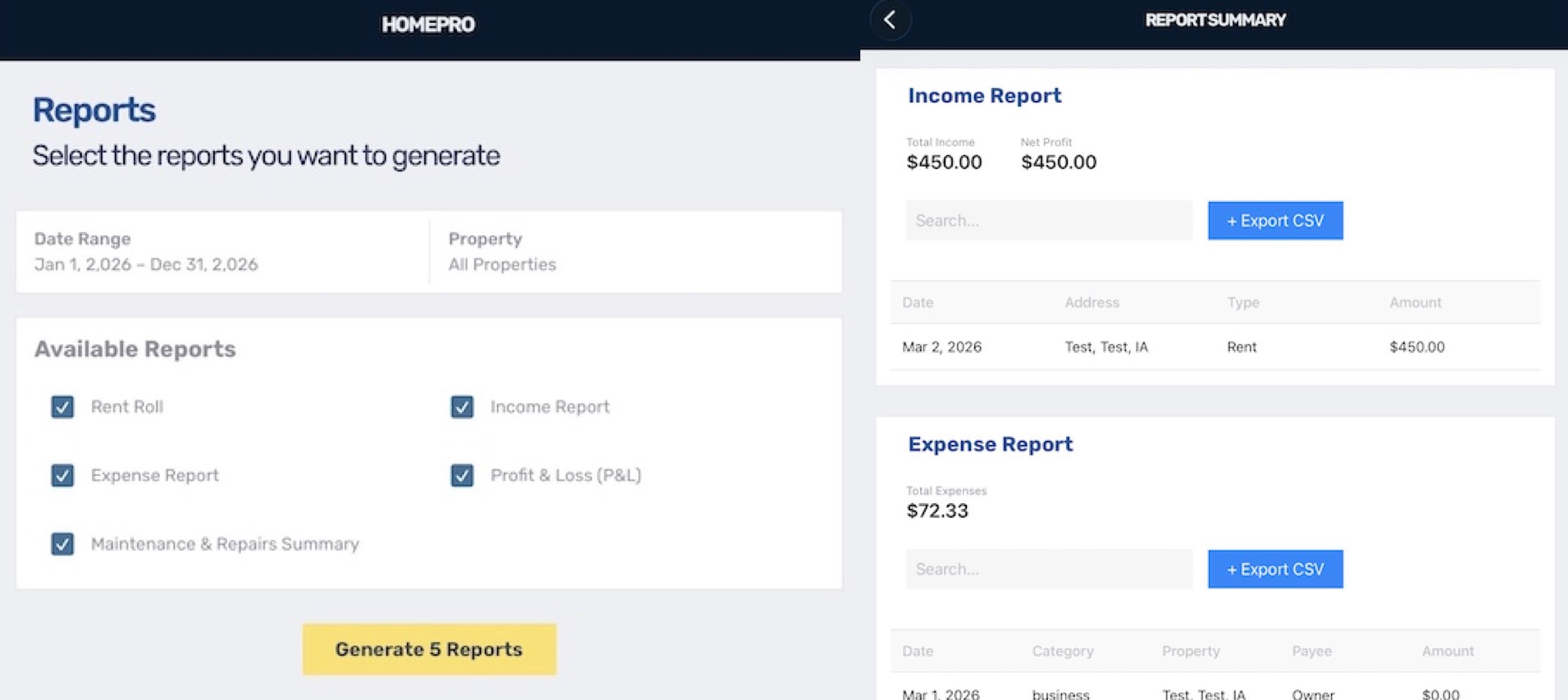
Landlords should be able to understand the health of their rental business without building manual reports from scratch.
That is why reporting tools are among the most useful landlord app features.
Why it matters
Strong decisions depend on clear information. If landlords cannot easily review performance across properties, it becomes harder to identify trends or improve operations.
What to look for
Effective landlord app features for reporting often include:
- property-level summaries
- income and expense visibility
- simple dashboards or clean overviews
- easy access from mobile devices
Why it helps
Instead of relying on memory or guesswork, landlords can make decisions with better clarity and confidence.
8. Tenant-Friendly Experience
The best apps are not only useful for landlords. They also create a smoother experience for tenants.
That is why resident usability should be part of any discussion about landlord app features.
Why it matters
A better tenant experience can support stronger communication, more consistent rent payments, and fewer avoidable misunderstandings.
What to look for
Look for landlord app features that help residents:
- pay rent easily
- submit maintenance requests
- interact with rental processes more simply
Why it helps
The easier the system is to use, the more likely it is to become part of a better routine for both landlords and residents.
9. Mobile-First Convenience
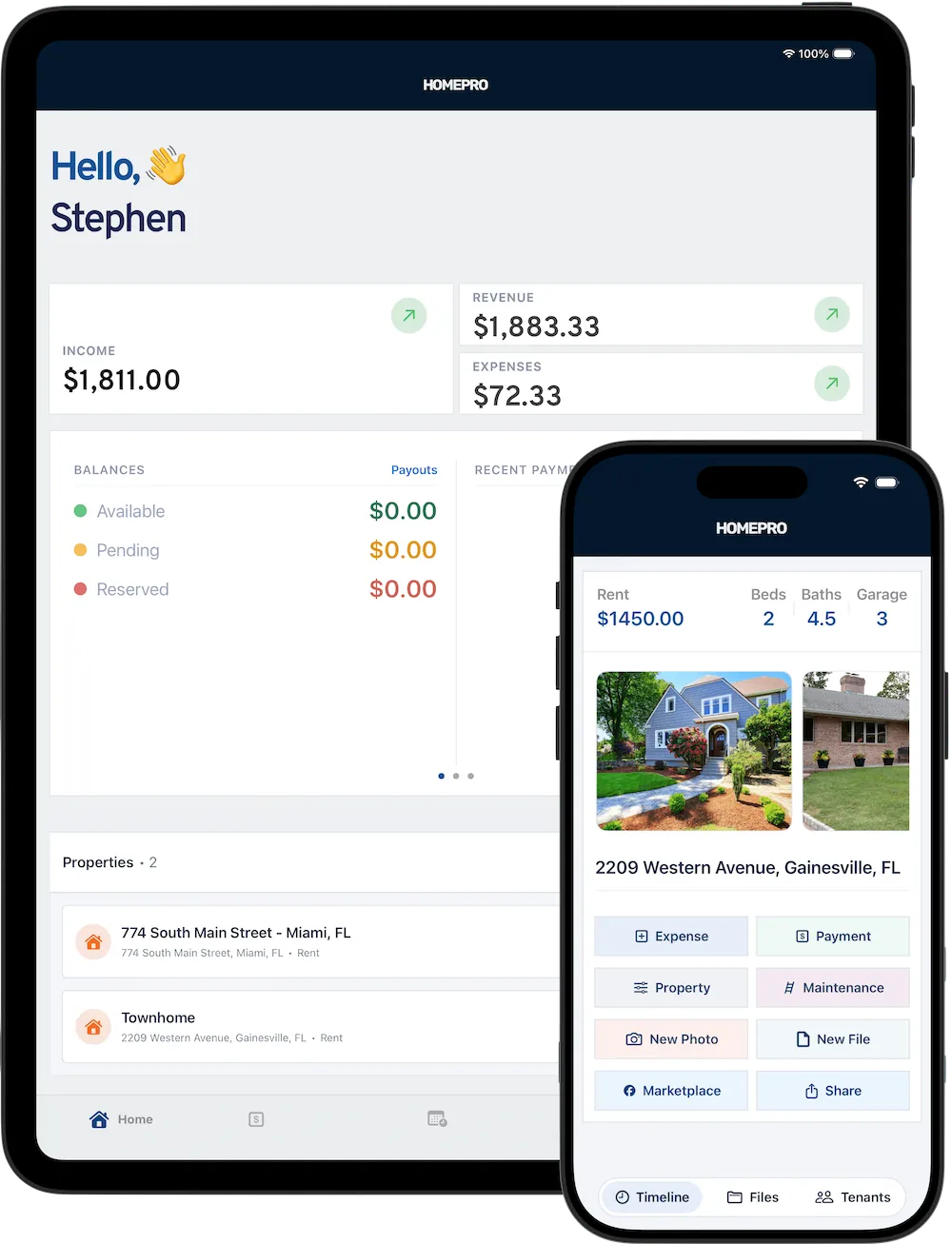
Most landlords are not sitting behind a desk all day. They are visiting properties, coordinating repairs, responding to questions, and handling issues in real time.
That makes mobile usability one of the most important landlord app features.
Why it matters
If an app feels clunky on mobile, it slows down the very work it is supposed to simplify.
What to look for
Mobile-friendly landlord app features should support:
- quick updates
- simple navigation
- photo uploads
- easy data entry on the go
Why it helps
Landlords can manage work where it actually happens instead of waiting until they return to a computer.
10. Time-Saving Automation
The best landlord app features are not only about organizing information. They are also about reducing repetitive work.
Automation can help landlords avoid unnecessary friction by making recurring processes easier to manage.
Why it matters
Small tasks add up quickly. Repeating the same manual steps every week can drain time that could be spent on bigger priorities.
What to look for
Look for landlord app features that reduce repetitive effort, such as:
- reminders
- recurring workflows
- streamlined tracking
- fewer duplicate entries
Why it helps
Automation does not replace human judgment. It simply frees up time so landlords can focus on better decisions and stronger property management.
11. Features Built for Small/Independent Landlords
Many software platforms fall into one of two extremes. They are either too basic to support growth or too complex for a small landlord to use comfortably.
Independent owners need practical landlord app features that sit in the middle.
Why it matters
Small landlords usually do not need enterprise-level complexity. They need clarity, efficiency, and tools that solve real operational problems.
What to look for
The best landlord app features for independent landlords usually focus on:
- daily usability
- clean organization
- streamlined workflows
- tools designed for real rental tasks
Why it helps
A better fit leads to better adoption, and the best software is the software a landlord actually uses consistently.
12. One App That Connects Daily Landlord Tasks
The most valuable landlord app features may not be individual tools at all. Often, the real value comes from how those tools work together.
Rent, expenses, maintenance, inspections, and records become much more useful when they live inside one connected system.
Why it matters
Disconnected tools create disconnected management. A unified platform makes rental operations easier to understand and easier to run.
What to look for
Look for landlord app features that connect:
- payments
- property expenses
- maintenance records
- inspection notes
- document storage
- portfolio visibility
Why it helps
When everything is connected, landlords spend less time piecing together information and more time taking action.
How to Choose the Right Landlord App
When comparing options, focus on the workflows that matter most in your daily operations.
Ask questions such as:
- Does this make rent collection easier?
- Can I track expenses by property?
- Will this help me stay organized during maintenance issues?
- Can I keep important records in one place?
- Is it simple enough to use consistently?
- Do these landlord app features feel designed for independent landlords rather than large management teams?
The best choice is not always the app with the longest feature list. It is the app whose landlord app features solve the most important problems clearly and consistently.
Why HOMPRO Fits the Way Independent Landlords Actually Work
HOMPRO is built for landlords who want a more organized and modern way to manage rentals without unnecessary complexity.
Instead of relying on disconnected tools, independent landlords can use HOMPRO to support core rental workflows in one place, including rent collection, expense tracking, document organization, maintenance records, and portfolio visibility.
That matters because the most effective landlord app features are the ones that help landlords stay efficient without creating more overhead.
Final Thoughts on Landlord App Features
The best landlord app features reduce friction, improve organization, and help landlords stay in control of their rental business.
For independent owners, the real value usually comes from having a connected system rather than one standout tool. Rent collection, expense tracking, maintenance, inspections, and document management all work better when they are part of the same workflow.
If you are searching for a better way to run rentals, start by focusing on the landlord app features that support the real work behind the business.
A stronger operating system leads to a stronger rental business.
Frequently Asked Questions
What features should a landlord app have?
The most useful landlord app features often include rent collection, expense tracking, maintenance management, document storage, inspection records, and property organization.
What is the most important feature in a landlord app?
For many landlords, online rent collection is one of the most important landlord app features. However, the biggest value often comes from having several key functions connected in one system.
Are landlord apps worth it for small landlords?
Yes. Well-designed landlord app features can reduce manual work, improve organization, and help small landlords operate more efficiently.
Can a landlord app help with maintenance and inspections?
Yes. Many landlord app features help centralize repair records, notes, photos, and inspection history so information stays easier to manage.
Is HOMPRO built for small landlords?
HOMPRO is designed to support small landlords by bringing together key landlord app features in one simpler and more organized workflow.
